
Table of Contents
Wearable devices for health monitoring have moved from novelty to daily habit for millions of people. A watch, ring, or chest strap can now log heart rate, sleep, movement, and recovery without a trip to a clinic. The appeal is simple: small signals, collected consistently, can help you notice patterns you would otherwise miss. The hard part is knowing which numbers matter, which are noisy, and when to ask for professional help. This guide covers seven practical uses, the limits of consumer sensors, and the features worth paying for.
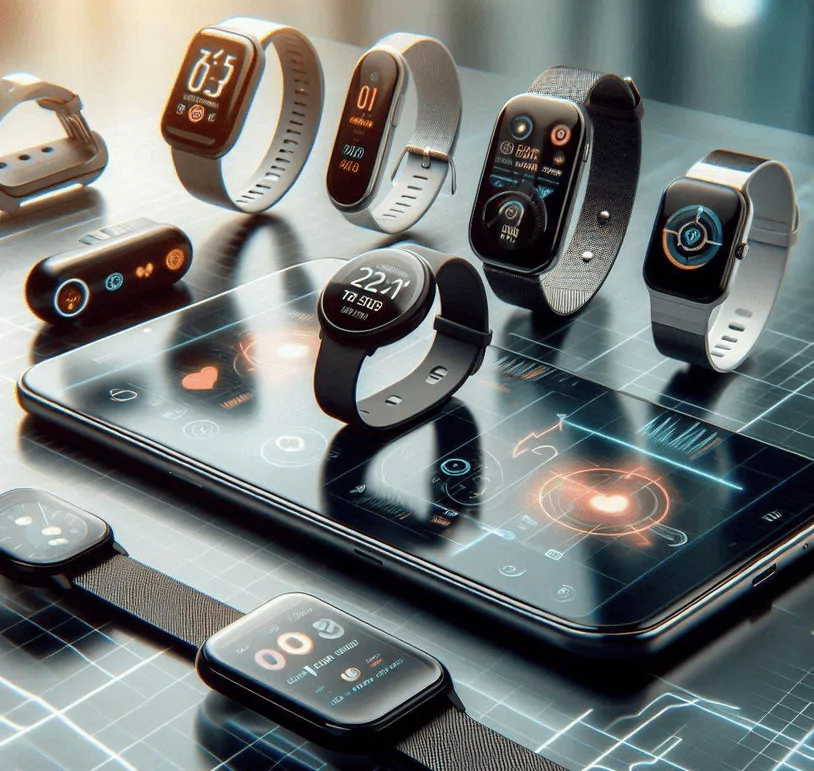
What Wearable Devices for Health Monitoring Actually Track
Most consumer wearables rely on a small set of sensors. An optical sensor shines light through the skin to estimate blood flow and pulse. An accelerometer and gyroscope detect movement and posture. Some devices add temperature, barometric pressure, or electrical signals for heart rhythm. The app then turns those raw readings into estimates for heart rate, sleep, steps, stress, and recovery.
What you see is a model, not a lab result. A wrist device may read differently from a chest strap during interval training, and sleep stages are usually estimates rather than clinical measurements. That does not make the data useless. It means you should follow trends over weeks, compare readings in similar conditions, and treat sudden outliers as a prompt to check how you feel rather than a diagnosis.
Wearable devices for health monitoring often report a confidence level or a signal-quality indicator. Check it before you act on an unusual reading. If the value looks wrong, clean the sensor, adjust the strap, and measure again while sitting still. A single noisy point matters less than a week of consistent data.
Heart Rate and Recovery Signals
Resting heart rate is one of the most useful numbers a wearable can show. A stable baseline and a gradual decline over months can reflect improving fitness. A jump of several beats above your normal range may follow poor sleep, alcohol, illness, heat, or hard training. One bad night is not a crisis; a pattern that lasts several days is worth attention.
Heart rate variability is more subtle. It reflects the variation between beats and is influenced by stress, recovery, and training load. Two people can have very different baselines, so comparing your score with a friend tells you little. Compare your own weekly average instead. If the number falls while resting heart rate rises and sleep worsens, your body may be asking for an easier day.
Use resting heart rate as a baseline, not a score to beat. Wearable devices for health monitoring can show a gradual rise after late nights, alcohol, or illness. If the rise lasts several days and comes with fatigue or breathlessness, pause hard training and consider speaking with a clinician.
Sleep and Stress Patterns
Sleep tracking can reveal consistency, which matters as much as total duration. A device may show that you sleep seven hours on average but drift between late nights and early mornings. That irregularity can affect energy, appetite, and mood. Use the data to set a realistic bedtime window, not to chase a perfect sleep score.
Stress features often combine heart rate, movement, and breathing patterns. They can be useful as a reminder to pause, breathe, or step outside. They cannot tell you whether stress is from work, illness, or anxiety. If the readings track with your own notes, they become a useful prompt. If they conflict with how you feel, trust the context and speak with a qualified professional when concerns persist.
A useful sleep review looks at bedtime consistency, total time in bed, and how often you wake. Wearable devices for health monitoring may mislabel quiet wakefulness as sleep, so compare the trend with a simple morning note about how rested you feel.
Activity, Steps and Workout Load
Steps are easy to understand but easy to overvalue. A day with fewer steps may still include a hard gym session, and a high step count may hide long periods of sitting. Pair steps with active minutes, strength work, and recovery. The best target is the one you can repeat most weeks without dreading it.
Training load features estimate how much work you have done and how much recovery you may need. They are helpful for people who train consistently, especially when the app compares this week with your recent average. They are less reliable for new exercisers, because the baseline is still forming. Increase volume gradually and use soreness, sleep, and motivation as extra signals.
Steps are only one measure of movement. Wearable devices for health monitoring can also show active minutes, standing breaks, and workout duration. Pick two metrics you can influence, such as a daily walk and two strength sessions, rather than chasing every number.
Choosing a Device Without Overpaying
You do not need every sensor on the market. Start with the questions you want answered, then match the hardware to those questions. A simple tracker can cover steps, sleep, and heart rate well. A chest strap is better for precise workout heart rate. A ring may suit people who dislike watches at night.
- Sensor fit: choose the metrics you will actually review each week, not the longest feature list.
- Battery and charging: a device that dies mid-week will not build a useful trend.
- Comfort: a lighter band or ring is easier to wear overnight and during exercise.
- Data export: check whether you can download your history before you commit to a platform.
Read the return policy and try the device during normal sleep and exercise. A wearable that feels awkward will be taken off, and missing data is worse than a simpler device you keep wearing.
Try before you commit. Wearable devices for health monitoring are personal, and a strap that feels fine for an hour may irritate overnight. Check the return window, the replacement band options, and whether the app works with your phone.
Privacy, Accuracy and Daily Limits
Health data is sensitive. Review which app permissions you grant, whether data is shared with advertisers, and whether you can delete your account. Use a strong password and multi-factor authentication if the service offers it. If a family member also uses the device, set separate profiles.
Accuracy varies with skin tone, tattoos, motion, temperature, and fit. Optical heart rate can lag during fast intervals, and sleep staging is approximate. No consumer device should be used to diagnose a condition or replace medical testing. If you notice chest pain, fainting, severe shortness of breath, or a persistent irregular rhythm, seek medical care rather than waiting for an app to explain it.
Review the data-sharing settings every few months. Wearable devices for health monitoring can collect sleep, location, and pulse data that reveal routines. Turn off partner sharing you do not use, and download a copy of your history before changing platforms.
Common Mistakes That Reduce Usefulness
A common mistake is buying wearable devices for health monitoring for their longest feature list, then ignoring most of the data. Another is wearing the band too loosely during exercise, which creates gaps and false readings. Start with a small set of metrics and a consistent wearing routine.
A third mistake is treating a score as a medical answer. Wearable devices for health monitoring can highlight patterns, but they cannot diagnose a condition. If a reading worries you, repeat it, note symptoms, and seek professional advice when needed.
A Simple Weekly Review
Once a week, open the app and look at three trends: resting heart rate, sleep duration, and total active minutes. Wearable devices for health monitoring are most useful when you compare like with like, so review the same days and the same time window each week.
Write one change for the coming week, such as a fixed bedtime or an extra walk. Wearable devices for health monitoring support habits, not perfection. If the data makes you anxious, reduce notifications and focus on the trend that matters most.
This guide to wearable devices for health monitoring pairs with the following resources. For related reading, compare powerful wearable technology devices, explore innovative health sensors, and see how wearable healthcare technology supports remote care.
For evidence-based context on sleep and recovery, read the NHLBI guide to sleep deprivation.
Related guides: wearable devices for health monitoring.
What Wearable Devices for Health Monitoring Actually Track?
Most consumer wearables rely on a small set of sensors. An optical sensor shines light through the skin to estimate blood flow and pulse. An accelerometer and gyroscope detect movement and posture. Some devices add temperature, barometric pressure, or electrical signals for heart rhythm.
What should you know about Heart Rate and Recovery Signals?
Resting heart rate is one of the most useful numbers a wearable can show. A stable baseline and a gradual decline over months can reflect improving fitness. A jump of several beats above your normal range may follow poor sleep, alcohol, illness, heat, or hard training.
What should you know about Sleep and Stress Patterns?
Sleep tracking can reveal consistency, which matters as much as total duration. A device may show that you sleep seven hours on average but drift between late nights and early mornings. That irregularity can affect energy, appetite, and mood. Use the data to set a realistic bedtime window, not to chase a perfect sleep score.

Dhanisa Mashilfa is a senior technology analyst at DTechGuru covering AI, cloud, cybersecurity, and IoT. 6+ years, 150+ guides. Method: proof-of-concept deployment, security assessment, and cost modeling. Author of 2,429 tech guides since 2022.




More Stories
Tech Gifts for Teens Balancing School and Hobbies
Tech Gifts That People Actually Use Every Week
How Wearable Medical Technology Is Empowering Health