
Table of Contents
Innovative health sensors have made it possible to measure signals that once required a clinic visit. A small optical module can estimate pulse, a pair of electrodes can record heart rhythm, and a motion sensor can infer sleep and movement. The technology is impressive, but the output is only useful when you understand what is being measured and how much to trust it. This guide explains the main sensor types, the insights they support, and the conditions that reduce accuracy.
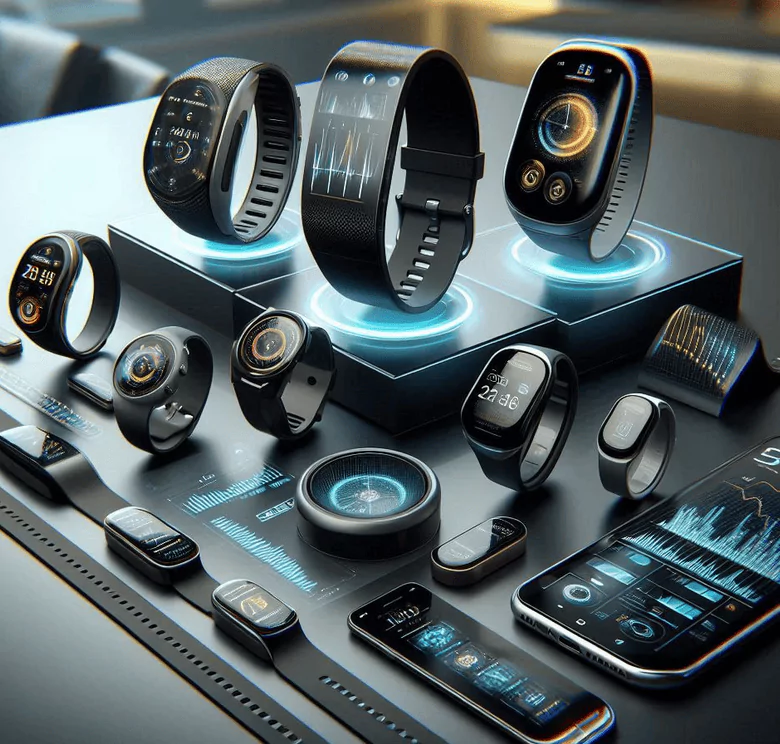
How Innovative Health Sensors Work
Most wearable sensors convert a physical signal into an electrical one. Optical sensors use light to detect changes in blood volume. Electrodes measure electrical activity from the heart. Accelerometers and gyroscopes measure movement and orientation. Temperature sensors detect small changes at the skin, and bioimpedance sensors send a tiny current to estimate body composition.
The device then applies algorithms to separate signal from noise. That is why two products with similar hardware can perform differently. A well-designed sensor is only part of the system; fit, firmware, and the quality of the app also matter. When you compare devices, look for transparent explanations of how each metric is estimated and what it cannot do.
Sensor quality depends on contact and calibration. Innovative health sensors may need a snug fit, clean skin, and a moment of stillness before a reading. Follow the instructions for placement, and do not compare readings taken in different conditions.
Movement and Posture Sensing
Accelerometers can detect steps, cadence, and changes in posture. They are excellent at showing whether you are moving and roughly how much. They are less reliable at measuring the force of a movement or the quality of a lift. A step count is a useful nudge, not a complete picture of physical activity.
Posture features can remind you to stand or shift position, but they cannot diagnose back pain or replace an ergonomic assessment. Use them to break up long sitting periods and to notice patterns, such as a tense shoulder that appears after hours at a desk. If pain persists, consult a qualified professional.
Motion sensors are good at detecting change, not force. Innovative health sensors can show that you moved less on a given day, but they cannot tell whether that was due to fatigue, pain, or a busy schedule. Use context before drawing conclusions.
Heart Rhythm and Oxygen Signals
Optical heart rate sensors are convenient for everyday wear but can struggle during high-intensity intervals, when the wrist moves or the strap is loose. A chest strap uses electrical signals and is often more stable for training. Some watches add a single-lead ECG for rhythm checks, but a consumer tracing is not a full clinical test.
Blood oxygen estimates are also sensitive to fit and motion. Cold hands, dark nail polish, tattoos, and poor contact can reduce signal quality. A single low reading is not a diagnosis. If you have a condition that requires oxygen monitoring, use a device and protocol recommended by your clinician.
Look for signal-quality warnings. Innovative health sensors may report a weaker pulse signal when the strap is loose or the hand is cold. If a value seems off, warm your hands, sit down, and repeat the measurement.
Sleep and Recovery Insights
Sleep sensors combine movement, heart rate, and sometimes breathing to estimate sleep duration and stages. The duration estimate is often more reliable than the stage breakdown. Use the data to spot irregular sleep schedules, frequent wake-ups, or nights that consistently follow late caffeine or alcohol.
Recovery scores are useful when they combine several signals, but they can create false confidence. A high score does not cancel out poor sleep, and a low score does not mean you must skip all movement. Treat the score as one input alongside mood, soreness, and energy.
Sleep estimates are most useful across weeks. Innovative health sensors can reveal a late bedtime pattern that a single night would hide. Pair the trend with a simple note about caffeine, alcohol, or screen time.
What Reduces Sensor Accuracy
Fit is the most common problem. A loose strap lets light leak into an optical sensor, while an overly tight band can restrict blood flow. Hair, sweat, lotion, and tattoos can also interfere. For workout data, follow the manufacturer instructions on placement and tighten the strap before intervals.
Motion is another factor. Reading a watch while running or lifting creates noise that algorithms must filter out. Temperature and hydration can shift readings too. If a number looks wrong, check the fit, clean the sensor, and compare with another measurement before drawing conclusions.
Fit and motion cause most errors. Innovative health sensors can also be affected by tattoos, skin tone, and moisture. If you need a reliable workout reading, use a chest strap or follow the manufacturer placement guide.
Choosing Sensors for Home or Work
Choose based on the decisions you want to support. For general wellness, a device with heart rate, steps, and sleep is enough. For endurance training, prioritize a chest strap or a watch with reliable GPS. For workplace safety, look for fall detection, location sharing, and a clear emergency process rather than exotic metrics.
Check battery life, water resistance, app quality, and data export before you buy. A sensor that is uncomfortable will not be worn, and a platform that locks your history makes it harder to switch later. Privacy controls matter as well, because health data can reveal more than a step count.
Match the sensor to the job. Innovative health sensors for general wellness do not need clinical-grade labels. For a diagnosed condition, ask a clinician which measurements and devices are appropriate.
What the Numbers Cannot Tell You
A sensor measures a signal, not a feeling. Innovative health sensors can show a changed heart rate or sleep pattern, but they cannot explain why. Context from symptoms, routine, and medical history matters.
Do not self-diagnose from a wearable trend. Innovative health sensors are screening aids at best, and some alerts are false positives. Persistent or worrying symptoms deserve professional assessment.
Building a Useful Data Habit
Wear the device consistently for two weeks before judging it. Innovative health sensors need a baseline, and early data is often noisy. Choose a regular time to review the app rather than checking it constantly.
Keep notes short. Innovative health sensors become more useful when a one-line daily note explains unusual readings, such as a late meal, a hard workout, or a poor night of sleep.
Next Steps for Better Readings
Before you buy another gadget, decide which question you want answered. If the goal is general awareness, a simple tracker with a comfortable strap is enough. If you need to monitor a diagnosed condition, ask a clinician which measurements are appropriate and how often to review them.
Keep a short log of symptoms and context alongside the app. A reading becomes more useful when you know whether it followed poor sleep, a hard workout, or a missed meal. Review the log monthly and drop metrics that do not change your behavior.
This guide to innovative health sensors pairs with the following resources. For related reading, see wearable devices for health monitoring, compare powerful wearable technology devices, and explore wearable healthcare technology.
For context on device oversight, read the WHO overview of medical devices.
Related guides: innovative health sensors.
How Innovative Health Sensors Work?
Most wearable sensors convert a physical signal into an electrical one. Optical sensors use light to detect changes in blood volume. Electrodes measure electrical activity from the heart. Accelerometers and gyroscopes measure movement and orientation. Temperature sensors detect small changes at the skin, and bioimpedance sensors send a tiny current to estimate body composition.
What should you know about Movement and Posture Sensing?
Accelerometers can detect steps, cadence, and changes in posture. They are excellent at showing whether you are moving and roughly how much. They are less reliable at measuring the force of a movement or the quality of a lift. A step count is a useful nudge, not a complete picture of physical activity.
What should you know about Heart Rhythm and Oxygen Signals?
Optical heart rate sensors are convenient for everyday wear but can struggle during high-intensity intervals, when the wrist moves or the strap is loose. A chest strap uses electrical signals and is often more stable for training. Some watches add a single-lead ECG for rhythm checks, but a consumer tracing is not a full clinical test.

Dhanisa Mashilfa is a senior technology analyst at DTechGuru covering AI, cloud, cybersecurity, and IoT. 6+ years, 150+ guides. Method: proof-of-concept deployment, security assessment, and cost modeling. Author of 2,429 tech guides since 2022.



More Stories
Tech Gifts for Teens Balancing School and Hobbies
Tech Gifts That People Actually Use Every Week
Wearable Devices for Health Monitoring That Fit Real Life