
Table of Contents
Powerful wearable technology devices are no longer just step counters. They can track workouts, monitor sleep, flag irregular heart rhythms, call for help after a fall, and keep notifications within reach. The best choice depends less on the longest feature list and more on the job you want the device to do. This guide breaks the market into seven practical categories, then explains the battery, comfort, and privacy checks that separate a useful tool from an expensive distraction.
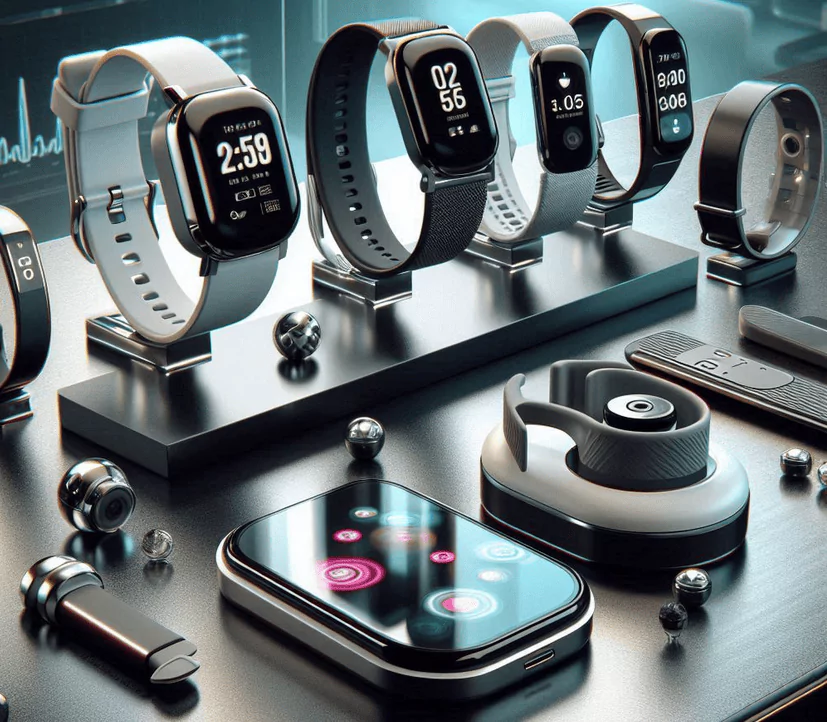
Powerful Wearable Technology Devices That Earn Their Price
A device earns its price when it changes a decision you make. That might mean moving more, sleeping at a consistent time, pacing a long run, or feeling safer on a solo walk. Before comparing models, write down two or three outcomes you want. Then ignore features that do not support them.
- Fitness watch: a broad sensor set for training, sleep, and daily activity.
- Hybrid watch: analog looks with basic tracking and long battery life.
- Smart ring: discreet sleep and recovery tracking for people who dislike wrist devices.
- Chest strap: reliable workout heart rate for cycling, running, and interval training.
- GPS watch: route tracking and long battery for hiking and endurance sports.
- Safety wearable: fall detection and emergency calling for older adults or lone workers.
- Work wearable: durable notifications, timers, and location sharing in demanding environments.
These categories overlap, and many watches now cover several roles. The point is to choose the primary role first. A runner who needs accurate pace may be happier with a GPS watch and a chest strap than with a premium smartwatch that needs daily charging.
A device earns its price when it removes friction. Powerful wearable technology devices should make a workout easier to start, a sleep routine easier to keep, or a safety check easier to trust. If a feature adds setup work without changing a decision, it is probably not worth the premium.
Battery Life and Daily Charging
Battery life is a feature, not a footnote. A watch that lasts two days is fine if you charge it while showering. A device that lasts a week is easier to keep on overnight. A ring may last several days but still needs a charging case or dock. Think about your routine before you believe a marketing claim.
Battery estimates often assume light use. GPS, always-on displays, music streaming, and frequent notifications drain power faster. If you need sleep tracking, check how long a short charge takes and whether the device records overnight while charging. A five-minute top-up can be enough for some watches, but not all.
Check battery life with the features you will actually use. Powerful wearable technology devices often lose a day of runtime when GPS, music, or an always-on screen is enabled. A short daily charge is fine if it fits your routine, but overnight tracking needs a device that lasts.
Fitness, Sleep and Recovery Tracking
Look for the metrics you will review, not the ones that sound advanced. Steps, active minutes, resting heart rate, sleep duration, and workout history cover most everyday needs. Recovery scores can be useful, but they should not override how you feel. If a score says you are ready for a hard session while you are exhausted, trust your body and take the easier option.
Sleep tracking is most useful for consistency. A device can show that your bedtime drifts by two hours across the week, which is often more actionable than a single sleep score. Use the data to protect a regular wind-down period and to notice when late meals, alcohol, or late screens change your pattern.
Compare workout heart rate with perceived effort. Powerful wearable technology devices can lag during fast intervals, so a chest strap may be better for precise training zones. For everyday movement, a watch or ring is usually enough.
Safety Features That Matter
Fall detection and emergency calling can be valuable, but they are not equally reliable on every device. Check whether the feature works without a phone nearby, whether it requires a subscription, and what happens when a call fails. Test the setup with the vendor instructions rather than waiting for an emergency.
Location sharing is another practical safety tool. It can help a family member follow a commute or a hike, but it also creates privacy risks. Share only for the duration of the activity and review which contacts can see your location. For lone workers, choose a device with a clear emergency process and a reliable network.
Test the emergency process before you need it. Powerful wearable technology devices may require a phone, a cellular plan, or a subscription for fall alerts. Confirm who receives the call and what happens if the first contact does not answer.
Comfort and Fit for All-Day Wear
A device you barely notice is more likely to stay on. Check the weight, strap material, and case size. Small wrists may find a large watch uncomfortable at night, while a ring can feel tight after salty food or exercise. Look for adjustable straps and a return window so you can test real wear.
Water resistance matters if you swim, shower, or work outdoors. A rating for splashes is not the same as a rating for swimming. If you plan to wear the device in water, confirm the depth and duration in the manual, and avoid hot showers or saunas if the manufacturer warns against them.
Wear the device for a full day before the return window closes. Powerful wearable technology devices can feel different during sleep, exercise, and desk work. Check strap edges, case thickness, and whether notifications are easy to read at a glance.
Privacy and Data Control
Health and location data can reveal a lot about your routine. Before you buy, check where data is stored, whether it is sold or shared, and how to delete your account. Use a unique password and enable multi-factor authentication. Review app permissions and turn off sharing you do not need.
Export matters too. A device that keeps your history locked into one app makes it harder to change platforms later. Look for a CSV or API export, and download a copy periodically. If you share the device with a family member, use separate profiles so readings do not mix.
Health and location data deserve the same care as financial data. Powerful wearable technology devices should offer a clear privacy policy, account deletion, and export. Use a unique password and review which apps can read your activity.
How to Compare Without Brand Bias
Start with a short list of needs, then compare specifications. Powerful wearable technology devices can look similar on a product page, but battery claims, sensor placement, and app quality differ. Read independent reviews and look for tests that match your routine.
Ignore limited-time discounts until you know the device fits. Powerful wearable technology devices are long-term purchases, and a cheaper model that gets left in a drawer costs more than a useful one you wear daily.
When to Upgrade
Upgrade when a missing feature blocks a goal, not when a new model appears. Powerful wearable technology devices often improve gradually, and a working device can remain useful for years. Battery wear is a better signal than marketing.
If you switch, export your history first. Powerful wearable technology devices may store years of sleep and workout data in one app. A clean export makes the transition easier and protects your records.
This guide to powerful wearable technology devices pairs with the following resources. For related reading, see wearable devices for health monitoring, compare the ultimate health monitoring device, and explore innovative health sensors.
For public health guidance on movement, read the WHO physical activity fact sheet.
Related guides: powerful wearable technology devices.
What should you know about Powerful Wearable Technology Devices That Earn Their Price?
A device earns its price when it changes a decision you make. That might mean moving more, sleeping at a consistent time, pacing a long run, or feeling safer on a solo walk. Before comparing models, write down two or three outcomes you want.
What should you know about Battery Life and Daily Charging?
Battery life is a feature, not a footnote. A watch that lasts two days is fine if you charge it while showering. A device that lasts a week is easier to keep on overnight. A ring may last several days but still needs a charging case or dock.
What should you know about Fitness, Sleep and Recovery Tracking?
Look for the metrics you will review, not the ones that sound advanced. Steps, active minutes, resting heart rate, sleep duration, and workout history cover most everyday needs. Recovery scores can be useful, but they should not override how you feel.

Dhanisa Mashilfa is a senior technology analyst at DTechGuru covering AI, cloud, cybersecurity, and IoT. 6+ years, 150+ guides. Method: proof-of-concept deployment, security assessment, and cost modeling. Author of 2,429 tech guides since 2022.



More Stories
Tech Gifts for Teens Balancing School and Hobbies
Tech Gifts That People Actually Use Every Week
Wearable Devices for Health Monitoring That Fit Real Life